Hertfordshire · United Kingdom · General Construction
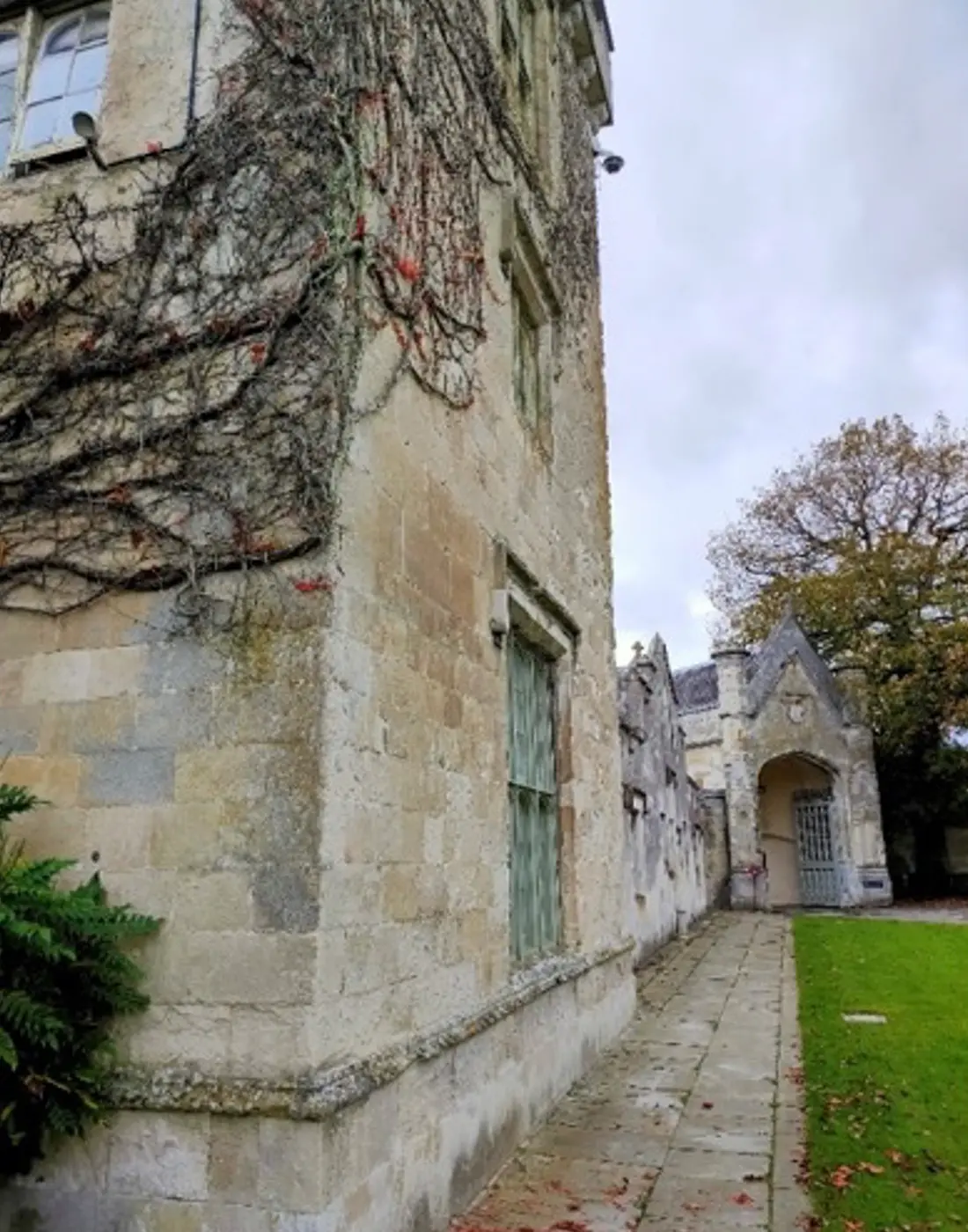
Ashridge House is a Grade I listed neo-Gothic country estate, formerly a royal residence to King Henry VIII and Princess Elizabeth I. Today, the property functions as a distinguished venue for weddings, corporate events, and as an international business school.
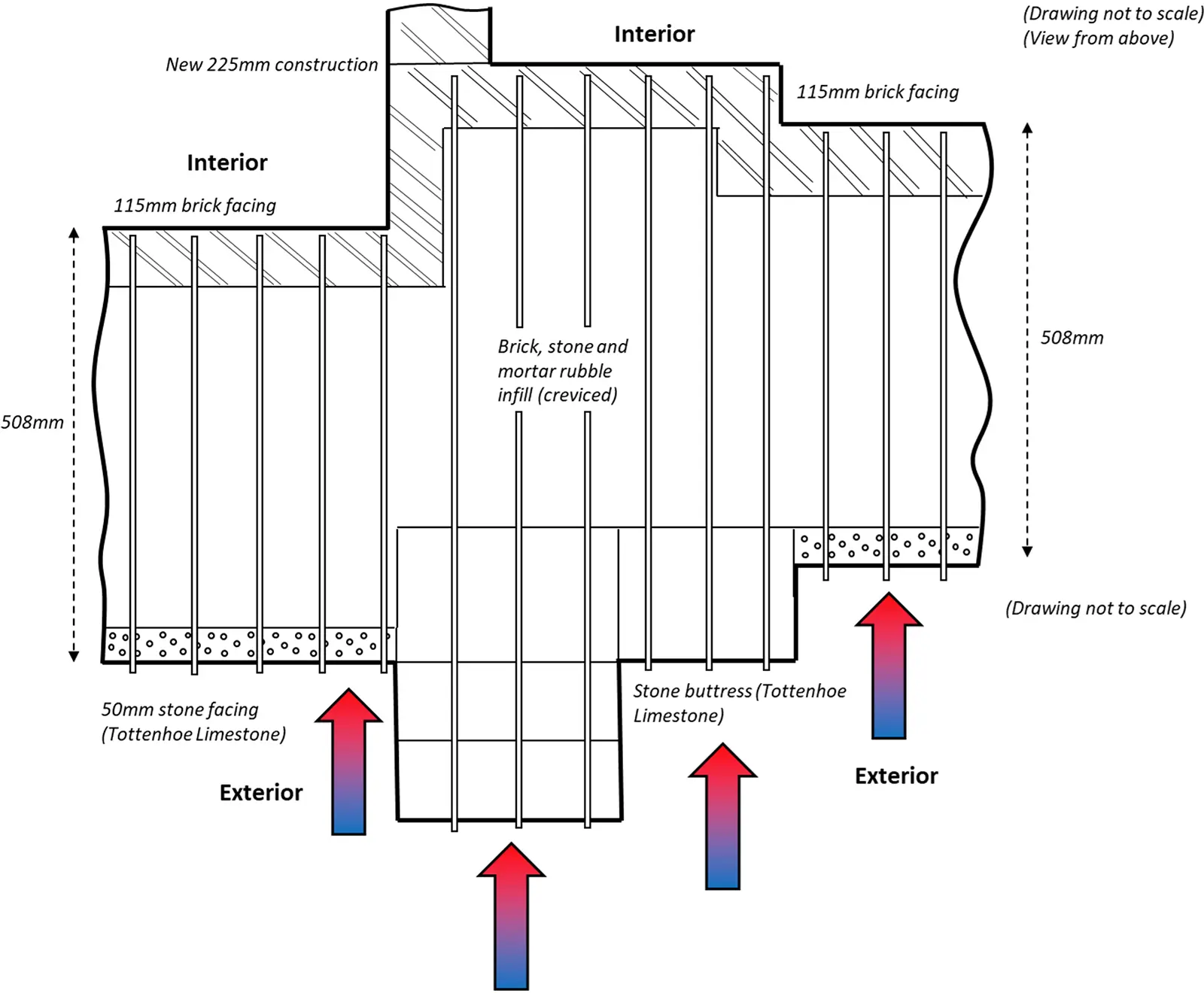
As with any structure of significant age, ongoing maintenance is inevitable. Freezteq was utilized to a section of wall built during the early 19th-century Gothic Revival. The external layer is 50 mm thick stone, while the interior face consists of a single course of brickwork. The base of the wall is a combination of brick, stone, and mortar rubble.
Large volumes of moisture were rising from this composite base and penetrating the 508 mm thick dressed stone above, resulting in surface damage to the external masonry and contributing to damp conditions indoors
In some areas, the rising damp assessment showed that the outer and inner faces of the rubble foundation were retaining water. The wall acted like a sealed tank, restricting natural moisture evaporation and holding significant amounts of water inside the uneven rubble mass.
At Ashridge House, the bases of such composite walls also incorporate several stone buttresses. External drill holes were created through these buttresses, stopping 25 mm short of the opposite side. In specific locations, these holes extended to depths of 1110 mm.
This method was also used to successfully treat other walls at Ashridge House from the 13th and 15th centuries, using the Freezteq damp-proofing system. Freezteq sticks were found to be the most practical and cost-efficient solution for these creviced wall types, as their gradual diffusion ensures that large internal voids are effectively reached without being inadequately filled by liquid treatments.